
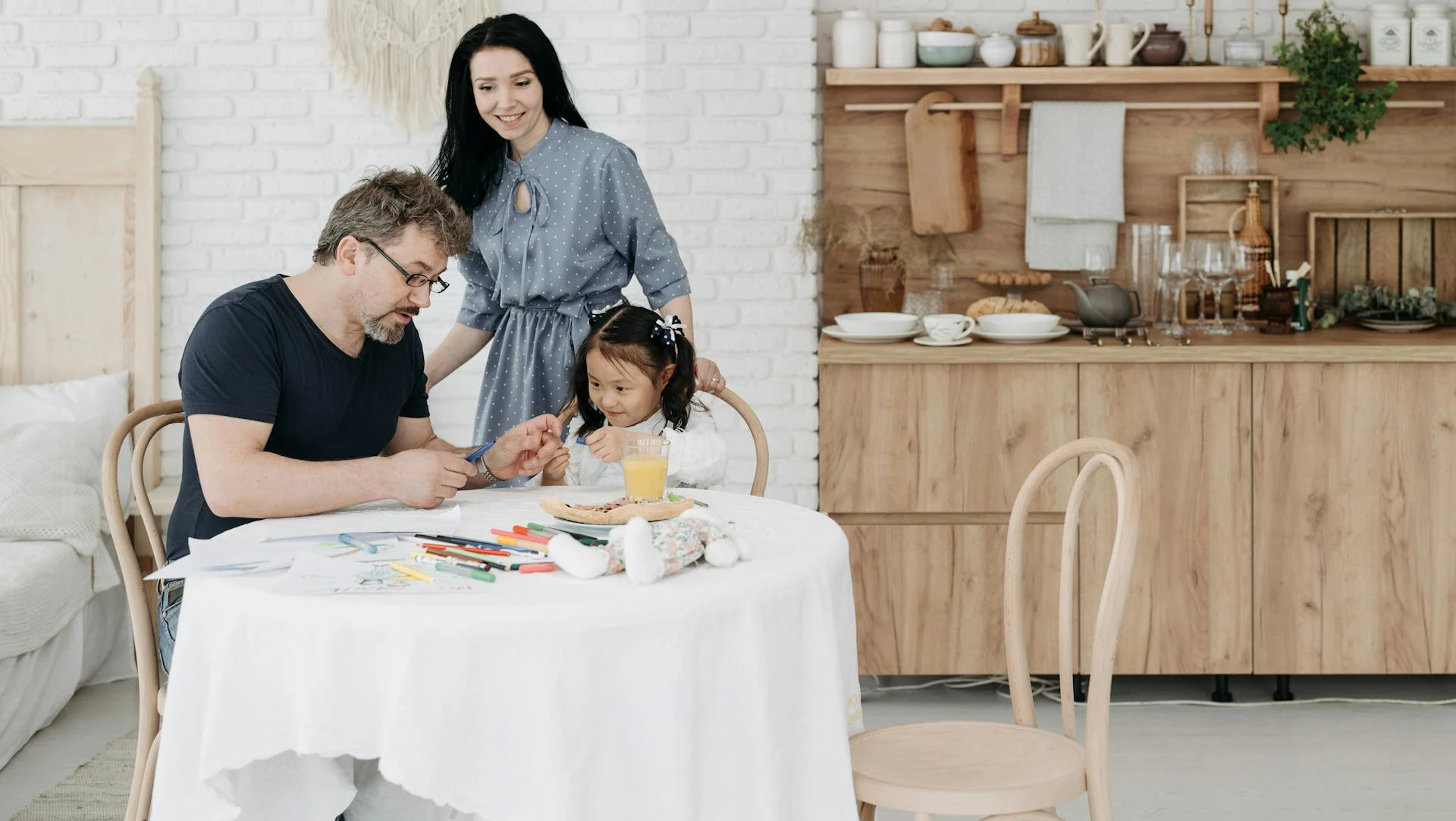
What families and caregivers should know about the reality of live-in babysitting
Think sharing living room, kitchen and quiet times with a person who is technically an employee and waking up every single day in someone else’s house where work really does never stops.
In theory, live-in babysitting is the best of both worlds. Families receive regular and reliable childcare and the carers save thousands of dollars on rent. The polished agency resumes and pleasant interview grins allude to a vastly more complicated psychological situation, however. If your office is the place you sleep, the boundary between work and home is totally erased.
As a psychologist and relationship coach, I have witnessed first-hand how this situation can escalate into a hot-mess if boundaries are not respected. As a parent, you may be having someone in your house or as a caregiver you may be in a new home; anyway, let’s take the veil off of live-in babysitting and expose the truth.
A hidden challenge in the workplace is the constant availability of it.One of the unconscious challenges in the workplace is that it is never closed.
When you’re finished for the day, you are finished for the day when you are a regular worker. You close the door, you go back home and you relax.
A live-in babysitter would not have such luxury. If you’re 1 in 10,000,000,000 in the world and you live in your workplace, your brain never receives a clear signal that it’s time to go home. When children are playing down the hall, your nervous system is primed to some extent even though you don’t have anything on your hands.
This separation, physical and mental, creates a burn out in the long run. The caregiver feels like they are always being called on, and this causes them to resent their position, which can lead to resentment. Meanwhile, families may begin to feel guilty about enjoying their living room, while the nanny is just down the hall, making for an uneasy and strained atmosphere.
Before bringing on board, make sure you know who you are hiring.Before hiring, be sure you know about the family.
When a babysitter comes to your home, it is not the same as getting a babysitter who leaves at 5 PM. It needs a sophisticated level of emotional intelligence and clarity of structure.
Some people live under your roof, that shouldn’t mean 24/7 working. Outline the specific working hours, overtime policies and definite off-days.
Respect Physical Boundaries:Your care giver’s private room is their retreat. Always knock before entering; respect personal space and do not make it an extension of a storage area or family space.
There is no 2nd place to this: Emotional Safety is the number one priority. Frequently check on them to let them know they are important, listened to and at ease expressing concerns before they escalate into conflicts.
Before moving in, caregivers should be informed about the following:
Embarking on a live-in babysitting adventure can help you save money quickly and even provide a great cultural experience – but if you’re like me you must put boundaries up to keep your mental health intact.
Early On The Job Training:
Discuss with the other party what constitutes an emergency situation as opposed to a personal favor, before anyone’s even put a bag on the floor. When offered an invitation to help in the time set aside for rest, say “no” firmly and in a polite manner.
Make a life outside the house: Do not make the host family your whole social life. Get active outside: get involved in local gym, make friends around the neighborhood, and take a day off from the house to refresh your mind.
Maintain a Professional Paper Trail: Record hours, pay schedules and agreements in writing. In fact, clear professional boundaries will help to maintain personal warmth and relationships.
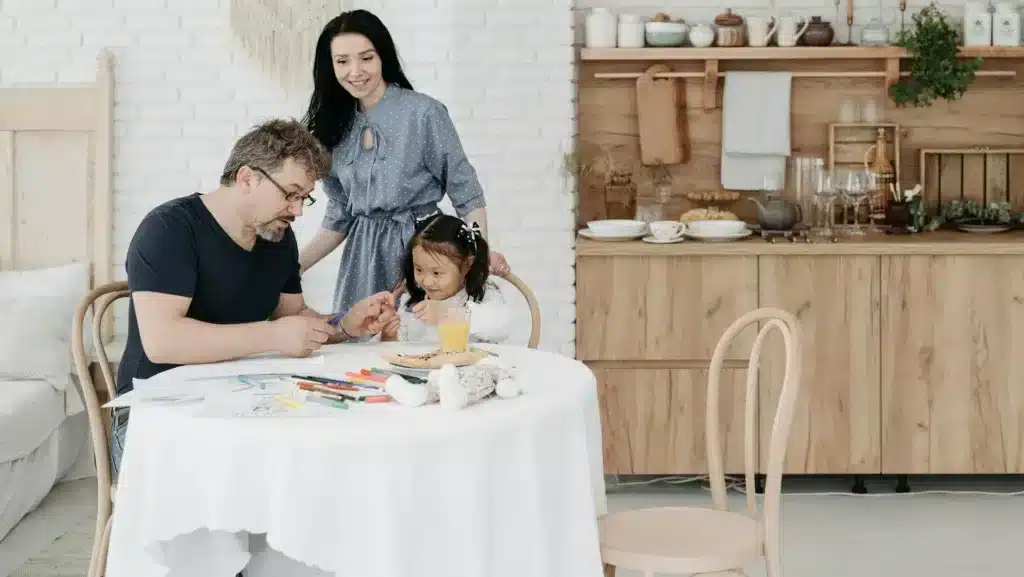
Here are a few tips for making live-in babysitting a successful experience.
With loving care and established guidelines, live-in babysitting can be a family affair in which everyone flourishes. The key is to show one another respect; not to engage in master-servant mentalities.
Respect and value privacy and downtime.
Make Schedules: Meet regularly, every month, to discuss, resituate expectations and make sure everyone is happy.
Show sensitivity: Show some appreciation, it’s a good gesture. A positive “thank you” or a comment on a challenging day can help to maintain the health and strength of the relationship.
Final Thoughts
The truth of the “live in babysitting” experience is that nothing is more magnified than proximity. Little annoyances can become big fights; and little kindnesses, big bonds.
This will help you to establish a peaceful, supportive environment at home with strict boundaries, while communicating openly and respecting each person’s mental space, so that families feel safe and caregivers feel at home.

About author








 by
by 

Add comment